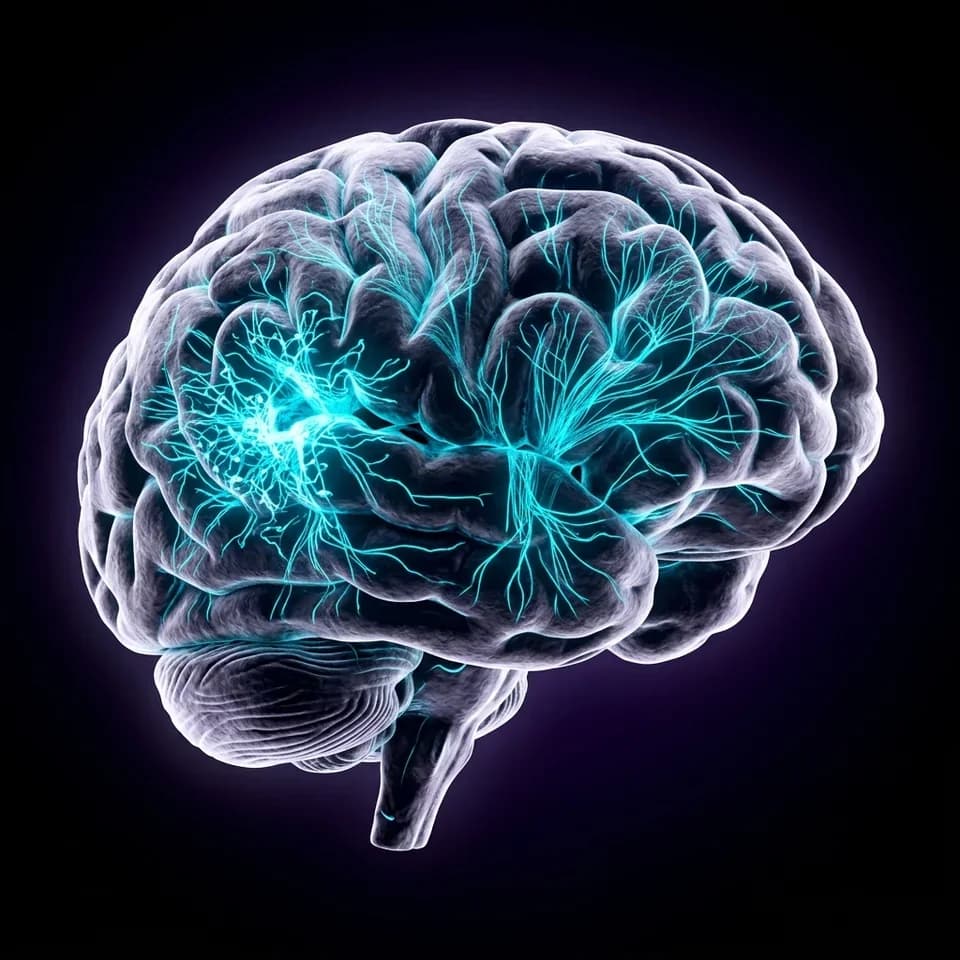
A stroke happens when blood flow to part of the brain suddenly stops — usually because of a blocked artery (ischemic stroke) or, less often, bleeding (hemorrhagic stroke). Worldwide, one in four adults will have a stroke in their lifetime (World Stroke Organization), yet fast treatment can prevent most of the damage.
What is a stroke?
Brain cells need a constant supply of oxygen-rich blood. When an artery is blocked or bursts, around 1.9 million brain cells are lost every minute. That is why stroke is always an emergency.
Common symptoms — think BE-FAST
- Balance: sudden loss of balance or coordination
- Eyes: sudden blurred or lost vision in one or both eyes
- Face: one side of the face droops when smiling
- Arm: one arm drifts down or feels weak
- Speech: slurred or strange speech
- Time: call 998 immediately — note the time symptoms started
Risk factors
- High blood pressure (the most important treatable cause)
- Diabetes and high cholesterol
- Atrial fibrillation (irregular heartbeat)
- Smoking, obesity, and physical inactivity
- A previous TIA ("mini-stroke")
How is it diagnosed?
Urgent brain imaging (CT or MRI) tells apart blockage from bleeding. Vascular imaging of the neck and brain arteries, heart-rhythm monitoring, and blood tests then identify the cause so the right prevention can start.
Treatment options
Clot-dissolving medication (IV thrombolysis) can reverse an ischemic stroke if given within the first hours; large-vessel clots may need mechanical removal (thrombectomy). Afterwards, antiplatelet or anticoagulant medication, blood-pressure control, and structured rehabilitation protect against a second stroke.
Natural ways to lower your risk
Regular exercise, a Mediterranean-style diet, stopping smoking, limiting salt, and keeping blood pressure, sugar, and cholesterol at target are proven measures — they support, not replace, medical treatment.
When should you see a neurologist?
After any TIA or stroke, for structured prevention; if you have atrial fibrillation or multiple risk factors; or for post-stroke problems such as spasticity, memory change, or mood change.
Emergency warning signs: sudden weakness, facial droop, speech difficulty, sudden vision loss, sudden severe headache, or loss of consciousness — call 998 immediately. Do not wait for symptoms to pass.
Key takeaways
- Stroke is an emergency: every minute counts.
- BE-FAST is the fastest way to recognise it.
- A TIA is a warning — the highest risk of full stroke is in the first days.
- Most strokes are preventable by controlling blood pressure and heart rhythm.
- Recovery continues for months with the right rehabilitation.
References
American Stroke Association. (2024). Stroke symptoms. https://www.stroke.org World Stroke Organization. (2025). Global stroke fact sheet. https://www.world-stroke.org National Institute of Neurological Disorders and Stroke. (2024). Stroke: Hope through research. https://www.ninds.nih.gov